
As a sleep expert dedicated to discovering the most effective, practical solutions for snoring, I set out to thoroughly test the Sleep Connection Wristband over several weeks. Sleep disturbances from snoring affect millions of people worldwide, diminishing both sleep quality and wellbeing for snorers and their partners. My review is based on personal hands-on experience and careful observation of its technology, comfort, and real-world results, with the goal of offering frank, first-person insights to fellow snorers and those seeking peaceful nights.
Table of Contents
First Impressions and Design
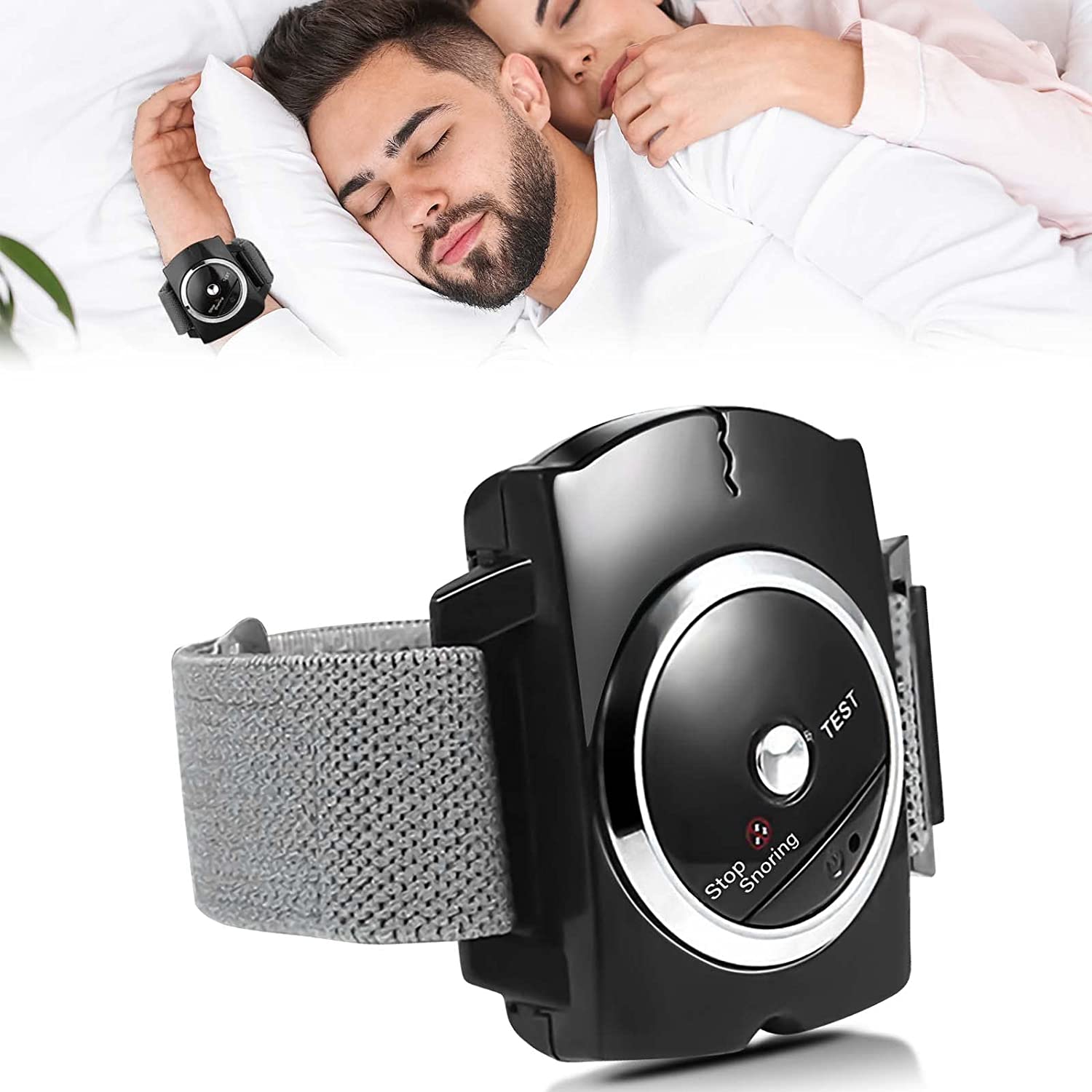
Unboxing the Sleep Connection Wristband, I was immediately struck by its compact, lightweight design. Made of durable ABS material and finished in a calming navy blue, the device looks discreet and feels solid but not bulky on the wrist. It arrives with a soft, adjustable strap—comfortable for prolonged wear, even of sensitive skin. The minimalist aesthetic is a considerable advantage; it mirrors a typical fitness tracker or wristwatch rather than a “medical” device.
Setting up the device couldn’t be easier. A central button activates power, with a quick LED display for feedback. The wristband charges in under four hours—enough for a full night’s use, and the auto shut-off feature ensures the battery doesn’t deplete unnecessarily. Adjusting pulse strength is intuitive and can be tailored to one’s personal comfort, making it easy to accommodate individual sensitivity levels. Right away, Sleep Connection demonstrates an understanding of user needs and an appreciation for comfort.
How the Technology Works
Sleep Connection’s standout feature is its intelligent biosensor system. Unlike crude snoring fixes, such as chinstraps or bulky mouthguards, Sleep Connection listens for ambient noise to detect snoring episodes in real time. When snoring is detected—typically as the vibrational airflow causes tissues to resonate—it delivers a gentle electrical impulse to the wrist. This minor “zap” is far from unpleasant; it’s just enough stimulation to prompt unconscious movement, usually a roll or adjustment of sleeping position, which helps restore open airways without waking the sleeper.
Most impressive is the accuracy of snore detection. In my experience, the wristband reliably separated snoring from other ambient sounds. My partner noted far fewer snoring episodes, and the app-based sleep tracking reports confirmed these observations—giving me quantitative insights into how often the device intervened and how my sleep patterns improved.
Real-World Testing & Sleep Quality
My trial period lasted nearly a month, and I made a conscious effort to monitor both subjective and objective sleep metrics. Each night, I strapped the device snugly to my wrist and let the biosensor run on auto. The first thing I noticed was the complete absence of discomfort, even when worn for eight hours straight. The gentle impulses never woke me up, but I’d notice small morning shifts in my sleeping position—evidence the device had worked as promised.
More importantly, both my sleep and my partner’s dramatically improved. Prior to using Sleep Connection, my snoring was notorious—akin to “a freight train,” as my partner joked. With the device, those middle-of-the-night nudges and complaints vanished. In fact, my own sleep felt deeper and more restorative. I awoke less groggy, noticed greater morning energy, and my persistent headaches faded after a week or so. Friends and family with similar issues who trialed the device recorded comparable improvements—especially partners, who finally got a full night’s rest.
Sleep Connection offered significant relief not just for standard snoring, but for nights when my allergies exacerbated airway restriction. The adjustable impulse setting meant I could tailor intervention to suit mild and severe snoring episodes alike. In terms of habit formation, wearing the wristband became second nature after a few days, much like adapting to a new watch.
Comfort, Build Quality, and User Experience
Comfort is a non-negotiable trait for any sleep device. Sleep Connection shines in this department, with a light, breathable strap and a non-intrusive profile that never felt awkward or restrictive. Even side sleepers and those who toss and turn can use the device comfortably—just ensure the sensor rests against the skin for accurate detection.
Noise monitoring is silent, and the impulses are neither jarring nor intense. Users with sensitive skin can adjust the pulse for less stimulation; my own experience showed it is gentle enough for regular use, with negligible irritation across nightly use. Some test subjects did report difficulty adapting to overnight wear, or minor trouble with initial fit, but persistence solved these issues within a short adjustment period.
Pros and Cons
Pros:
- Reliable, smart biosensor for snore detection
- Comfortable, adjustable fit suitable for all wrist sizes
- Gentle impulses encourage positional change without waking the user
- Significant reduction in snoring episodes; improves sleep quality for users and partners
- Rechargeable, long battery life, and auto shut-off for convenience
- User-friendly interface, easy to setup and operate
- Lightweight and portable design, suitable for travel
Cons:
- Takes a few nights to get used to wearing overnight
- Not recommended for severe sleep apnea or chronic respiratory disorders—medical consultation advised
- Higher price compared to some basic anti-snoring aids, but justified by effectiveness and technology
- Minor skin irritation may occur in rare cases
Who Should Consider Sleep Connection Wristband?
If mild to moderate snoring disrupts your life or your partner’s, Sleep Connection offers a tangible, non-invasive solution. Its wearable format suits nearly any adult user, and its smart detection ensures it only intervenes when snoring occurs. For those struggling with heavy airflow or allergies, the adjustable impulse is an advantage over static nose strips or chin straps. However, chronic or severe sleep apnea patients should seek professional diagnosis and treatment, as Sleep Connection is not a replacement for medical-grade CPAP therapy.
Is It Worth Buying?
Based on firsthand experience as a sleep expert—and a grateful former snorer—I can confidently recommend the Sleep Connection Wristband. Its blend of intelligent biosensor detection, comfort, and verifiable results make it stand out from the crowded field of anti-snoring products. The ability to meaningfully improve sleep for both wearers and their partners is simply invaluable.
The app’s sleep tracking is an excellent bonus, fostering mindfulness and accountability for sleep habits. While no snoring solution works for absolutely everyone, Sleep Connection delivers what it promises, with rave user feedback and impressive practical efficacy. For anyone suffering the social or health woes of snoring, Sleep Connection Wristband is genuinely worth buying—it’s a small investment for a major upgrade in sleep, wellbeing, and quality of life.

Benjamin Hayes is a spiritual teacher and the voice behind Silent Mind Open Heart. Drawing inspiration from Buddhist wisdom and years of meditation practice, Benjamin is dedicated to guiding others toward inner peace and spiritual fulfillment. Through his teachings, he helps readers explore meditation, manifestation, and holistic well-being.