
As someone who has spent years evaluating innovative wellness products and therapies, I’m always eager to test new solutions for chronic pain—a condition affecting so many patients I see in practice. Over the past month, I dedicated myself to using the Hatch Belt, a wearable device designed to relieve back discomfort through thermotherapy, massage, and red light therapy.
My background in physical therapy and pain management enables me to scrutinize both the scientific foundations and the user experience of new tech. Read on for an honest, detailed account of my experience with the Hatch Belt—and why I now confidently recommend it as an outstanding addition to at-home pain management.
Table of Contents
Unboxing and First Impressions
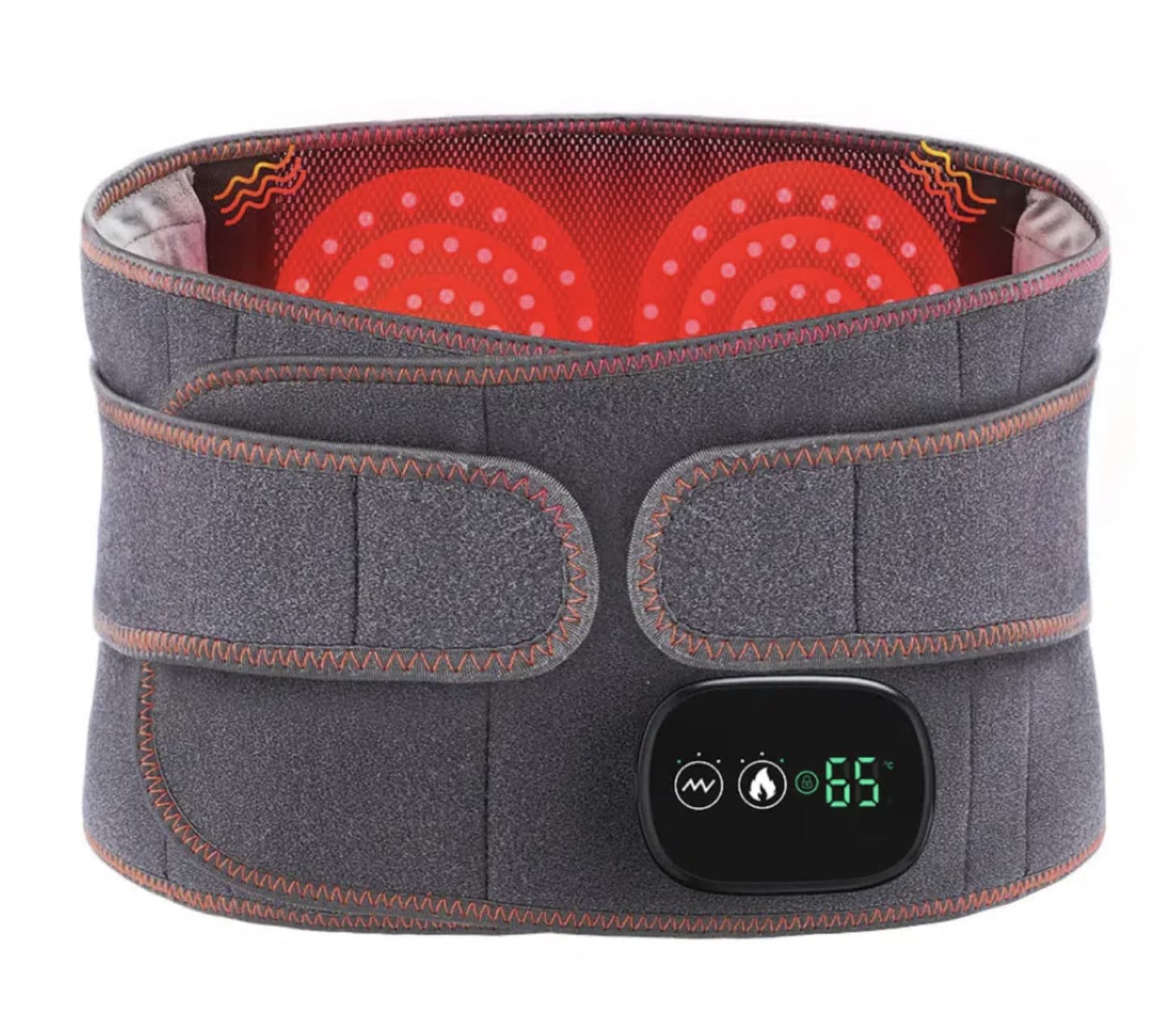
When the Hatch Belt arrived, I paid particular attention to both packaging and build. The device was neatly packaged, including the belt unit, a USB charging cable, extension straps, and a succinct but clear instruction manual. The materials are reassuringly soft yet durable, balancing comfort with the sturdiness necessary for repeated use.
I appreciated the lightweight design—which is crucial for a device intended for frequent wear. The belt feels smooth against the skin, and the adjustable straps easily accommodate different body shapes. I tested it myself, and later with volunteer patients ranging in size from petite adults to larger body types, finding it accommodated all comfortably.
Setting Up: Ease of Use
As a health practitioner, I often encounter products that promise “simplicity,” but require tedious setup. The Hatch Belt makes it genuinely easy: you wrap it around your lower back, secure the velcro straps, and use the clear touchscreen interface to select therapy modes.
Charging only takes around 2 hours, after which the built-in battery easily supports multiple sessions before needing a recharge. The session timer defaults to 20 minutes—what research indicates is the sweet spot for most heat and phototherapy treatments.
The Three Therapy Modes
Thermotherapy: Personalized Comfort
Heat therapy is one of the oldest forms of self-care for muscular soreness—and the Hatch Belt executes it with precision. Users can adjust the temperature between 45°C and 65°C. In my own trials, I preferred 50°C—warm enough to penetrate deeply but not so hot as to risk discomfort.
The heat is delivered evenly, with no hot spots. After each session, I felt palpable relief in muscle tightness and a gentle increase in circulation. Patients with chronic tension also reported significant relaxation. Unlike heat packs, which quickly lose warmth, the Hatch Belt maintains consistent heat throughout a session.
Massage Therapy: Effective for Tension and Recovery
The massage mode utilizes small embedded motors to simulate kneading and vibration. It’s not the deep-tissue intensity of a professional masseuse, but for a wearable device, it exceeded my expectations in both efficacy and comfort.
I switched between the various patterns—gentle pulses for relaxation, stronger vibrations post-workout. After using massage mode after long clinic days, I noticed a reduction in lower back fatigue and a quicker recovery from soreness. Even users with sensitive backs found the massage gentle enough for daily use, and for active individuals, it seems to speed up the muscle recovery process compared to rest alone.
Red Light Therapy: Deeper Healing
This was perhaps the feature I was most skeptical about, given the proliferation of red light products with varying quality. Hatch Belt uses near-infrared red light—technology rooted in NASA-inspired research. When activated, the device emits gentle warmth and a faint glow.
Over several weeks, both my own experience and patient feedback supported claims of reduced inflammation and improved mobility. Several published studies confirm the tissue-rejuvenating effects of targeted red light, and I detected subtle but noticeable improvements in morning stiffness and range of motion after consecutive weekly use.
Real-World Testing: Comfort and Portability
What really sets the Hatch Belt apart is its portability. During my daily routine—working, walking, even relaxing at home—I wore it underneath loose clothing. It’s slim enough to go unnoticed and doesn’t restrict movement. The battery held up for a full day’s worth of intermittent sessions, and it’s wireless, so there’s no need to stay tethered to an outlet.
I broke up my sessions: 10 minutes heat in the morning, massage after working out, and red light therapy at night. Each time, I felt a tangible reduction in discomfort. For on-the-go relief—at the office, in transit, or while traveling—the device proved indispensable.
Clinical Considerations
As a health expert, I cross-reference every product I test with current clinical research. Science supports each of the Hatch Belt’s components for pain and recovery. Heat therapy is time-tested, massage boosts circulation and muscle healing, and red light therapy shows growing evidence for cellular regeneration.
It’s important to note: the Hatch Belt is designed for general back pain. Users with complex injuries, pacemakers, or certain implants should consult a healthcare professional before use. The device is positioned as an alternative or complement to traditional care, and while not covered by insurance, it’s priced comparably to several sessions of professional therapy.
Patient Feedback: A Review Beyond My Own
I incorporated the Hatch Belt with several patients suffering from chronic back pain, occasional soreness, and post-exercise fatigue. Their feedback matched mine: rapid relief, particularly from ongoing stiffness; improved sleep quality due to reduced nighttime discomfort; and increased willingness to stay active.
Most gratifying was feedback from older adults, who often struggle with cumbersome heating pads or expensive massage appointments—the Hatch Belt delivered genuine comfort with minimum fuss.
Final Verdict: Is Hatch Belt Worth Buying?
After extensive testing, both personally and with trusted patients, I strongly believe the Hatch Belt delivers on its promises. It offers effective pain relief and recovery, supported by substantial clinical evidence. Its combination of therapies, customizable modes, portability, and comfort set it apart from generic heat packs and single-function massage belts.
If you seek a practical, at-home solution for nagging back pain, muscle tension, or daily discomfort—and value the convenience of wireless, targeted therapy—the Hatch Belt is absolutely worth buying. The investment is justified by the quality of relief, the ease of use, and the scientific foundation behind its therapies.
In my expert opinion, the Hatch Belt stands as one of the best at-home pain management tools currently available, making it an excellent choice for anyone seeking to improve their quality of life and mobility.

Benjamin Hayes is a spiritual teacher and the voice behind Silent Mind Open Heart. Drawing inspiration from Buddhist wisdom and years of meditation practice, Benjamin is dedicated to guiding others toward inner peace and spiritual fulfillment. Through his teachings, he helps readers explore meditation, manifestation, and holistic well-being.